Type beat, How MIG Built a Gunna-Style "Professional" in F# Minor
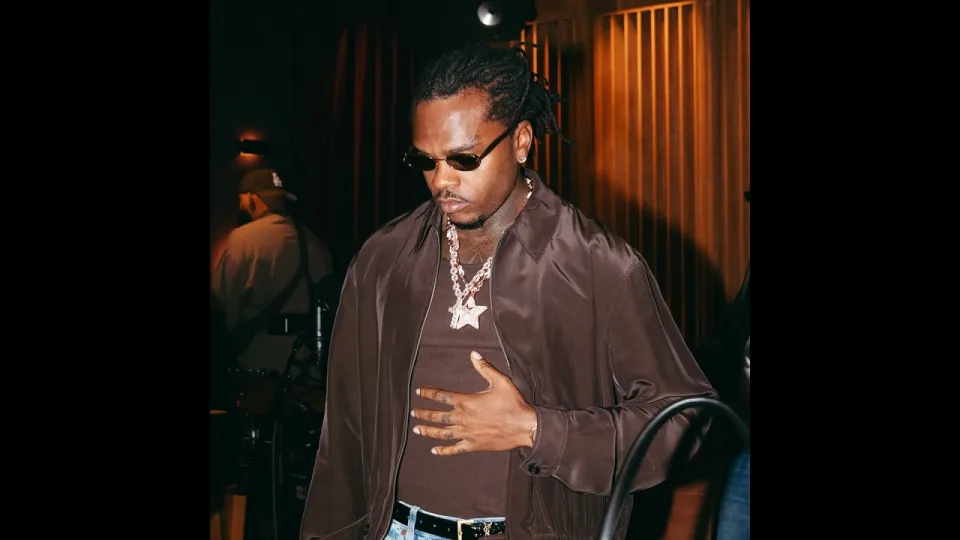
Video: [FREE] Gunna Type Beat - "Professional"
You can order the same kind of articles for your own video to boost it on YouTube and Google. Just message the Telegram bot @sat_sit_bot. Articles with your video embedded are written and posted by the bot itself — on popular topical sites (no ads). Your first 50 articles are free.
· based on the channel MIG
Key takeaways
- A type beat is an original instrumental written in the style of a specific artist, sold or shared for other artists to record over.
- MIG's "Professional" is a free Gunna type beat at 122 BPM in the key of F# minor.
- The free download is licensed for non-profit use only and cannot be uploaded to Spotify or Apple Music.
- The untagged, release-ready version is sold through the BeatStars link in the video description.
- Adding three beats to the cart activates the producer's discount.
A type beat is an original instrumental built in the style of a specific artist so that other rappers can write and record over it; MIG's "Professional" is a free Gunna type beat at 122 BPM in F# minor, and the untagged, release-ready file can be purchased through the BeatStars checkout linked in the video. The free download is licensed for non-profit use only, which means it cannot be distributed on Spotify or Apple Music.
What a type beat actually is and why producers label them by artist
A type beat is a beat that imitates the sonic signature of a known artist, and the label exists so that unknown artists can search for the sound they already hear in their head. When a rapper types "Gunna type beat" into YouTube, they are not looking for a Gunna song — they are looking for a beat that leaves the same amount of space, moves at a similar tempo and uses the same palette of sounds, so their own record sits comfortably next to the reference tracks in a playlist.
That is why the naming convention matters more than the title of the beat itself. Producers attach the artist name, the tempo and often the key to the upload so that a search engine can match a vague request with a concrete file. MIG follows the format precisely: the title carries the artist reference, the description lists the technical data, and the tags cover adjacent searches such as Young Thug type beat, guitar type beat and "One of Wun" type beat, which is the Gunna album whose sound most of these instrumentals chase.
A type beat is also a legal object, not just a vibe. The instrumental is the producer's original composition, and the artist who records over it needs a license that spells out what they can do with the finished song. That distinction between a free tagged download and a paid untagged lease is the single most important thing to understand before uploading anything.
The specifications behind "Professional"
"Professional" runs at 122 BPM in F# minor, a combination that sits in the slower, moodier half of trap rather than the high-energy end. The tempo is slow enough for triplet flows and double-time hi-hat patterns to breathe, but fast enough that a straightforward sixteenth-note grid never feels sluggish. F# minor gives the melody a dark, slightly mournful color, and listeners in the comments picked up on exactly that — one described the darkness of the melody as the standout element, another called the result orchestral trap.
The production choices that come up repeatedly in reactions are the drums and the slides. Crisp, tightly quantized drums keep the low end clean while the hi-hat rolls do the rhythmic work, and the pitch slides in the melody line are what make the beat recognizable after two bars. Those slides are the hardest part to imitate convincingly: they need to feel deliberate rather than random, which is why so many listeners singled them out as the most striking detail.
How to use the free download without breaking the license
The free version of "Professional" is licensed for non-profit purposes only, and the producer states explicitly that it is not cleared for streaming services such as Spotify or Apple Music. In practice that means you can use it for practice runs, demos, freestyles, SoundCloud or YouTube uploads that are not monetized, and for writing sessions — but not for anything that generates revenue or lands in a commercial catalog.
- Download the free tagged file and write to it to confirm the beat fits your voice.
- Decide the release route: non-profit platforms only, or a paid license for distribution.
- If you plan to release commercially, buy the untagged version so no producer tag interrupts the record.
- Keep the license terms on file; distributors and Content ID systems may ask for proof of rights.
- Credit the producer in the title or description as the license requires — @prod_mig is the handle used across socials.
Skipping step three is the most common mistake. A tagged beat uploaded to a distributor will either be rejected or, worse, get flagged later once the track starts earning, and re-releasing a song after it has accumulated playlist traction is far more painful than paying for the lease up front.
Typical questions from listeners and writers
Three themes dominate the reaction to a beat like this: whether the drums are clean enough to sit in a mix, whether the melody is distinctive enough to carry a hook, and whether the tempo leaves room for a fast flow. On "Professional" the answers are favorable — the drums are described as crisp, the melody as dark and memorable, and several writers immediately started sketching flows, with one noting the hi-hat rolls as the element that made them want to write.
The other recurring theme is genre placement. Listeners hear this kind of instrumental as street anthem material or as something suited to a specific regional scene, which tells you the beat is doing its job: it evokes a mood strongly enough that people assign it to a context without being told. If your own writing tends toward melodic delivery rather than pure rap, the 122 BPM pocket gives you room to stretch syllables without falling off the grid.
Where the sound fits in a catalog
A Gunna-style beat at this tempo works best as a mid-album mood piece rather than an opener. It pairs naturally with melodic trap, guitar-driven records and the Young Thug-adjacent register that the tags point toward, and it can also serve a slower drill or plugg-adjacent track if the drums are left mostly intact. Producers looking for a reference point should study how little the arrangement actually does: the space between elements is the style, and filling that space with extra layers usually weakens the result.
For artists, the practical takeaway is to treat the type beat as a template for a finished record rather than a finished record itself. Write two verses and a hook, record a rough take, and listen back against a Gunna or Young Thug track at the same tempo. If your vocal sits noticeably louder or busier than the reference, pull it back — the instrumental was built to leave that room.
All the links from the video
- Untagged beat purchase: https://bsta.rs/lKzH8q (add three beats to the cart to activate the discount)
- Producer socials: @prod_mig
- Contact email: migbeats.prod@gmail.com
Final thoughts on "Professional"
"Professional" is a clean demonstration of what a type beat is supposed to do: match a recognizable artist signature at 122 BPM in F# minor, keep the drums crisp, and let a sliding melody carry the identity. The free file is a writing tool, while the untagged version sold through the BeatStars page is the one that can legally go to streaming. The video breakdown comes from the channel MIG, which also handles the licensing and the discount for bundling three beats. If you are building a catalog in this lane, start with the free download, confirm the fit, then upgrade before you release.
Questions & answers
Can I put a free Gunna type beat on Spotify?
Not with the free download. MIG states that the free version of "Professional" is licensed for non-profit purposes only and is not available for streaming services such as Spotify or Apple Music. To distribute the song commercially you need the untagged, paid version and its license terms.
What tempo and key is "Professional" in?
The beat is 122 BPM in F# minor. That tempo sits in the slower half of trap and leaves room for triplet flows and dense hi-hat patterns, while the minor key gives the melody its dark character.
What does untagged mean and why does it cost money?
An untagged file has no producer voice tag over the instrumental, so it can be used on a released record without an interruption. The paid untagged version also comes with license rights, which the free non-profit download does not include.
How do I get the discount on MIG's beats?
Add three beats to the cart on the BeatStars page and the discount activates automatically at checkout. The link in the description goes straight to the purchase page for "Professional".
Source: [FREE] Gunna Type Beat - "Professional" · Markdown version